Few questions come up faster after a crash than "when do I get my car back?" It is a fair thing to ask. Rides need arranging, work schedules shift, and nobody enjoys a driveway that is suddenly empty. The frustrating answer is "it depends," but that answer gets much more useful once the pieces are explained. Most collision repair services follow the same sequence of steps, and the time each one takes explains why a bumper fix and a frame job can end up weeks apart.
The Short Answer: It Depends on the Damage
Shops and industry sources usually describe repair time in three rough tiers. These are general ranges, not promises, and every car is different.
Minor Damage: One to Three Days
Small dents, paint scratches, scuffed bumpers, and minor mirror or trim work usually fall here. If parts are on hand and the shop has room in its schedule, the car may be done within a few days.
Moderate Damage: About a Week to Ten Days
Multiple panels, a bumper that needs replacing and repainting, or a fender that needs paint blended into its neighbors typically land in this range. Each added panel adds prep, painting, and reassembly time.
Major Damage: Two Weeks to a Month or More
Frame or unibody straightening, airbag deployment, suspension work, and extensive panel replacement take the longest. Structural work has to be measured and verified, and it often passes through several specialists in order. Car frame repair is not the place to hurry.
Where the Days Actually Go
A repair is less like one job and more like a relay race, and the car waits between handoffs. A typical sequence looks like this:
- Assessment and paperwork: The shop inspects the visible damage and starts the claim.
- Insurer review: The repair plan gets approved before major work begins.
- Teardown: Panels come off so hidden damage can be found.
- Parts: Orders are placed and the shop waits for delivery.
- Structural and body work: Frames are measured, metal is straightened, and panels are fitted.
- Paint: Surfaces are prepped, color is matched, and finishes are applied and dried.
- Reassembly and calibration: Parts go back on, and sensors and systems are checked.
- Final inspection and detail: The shop verifies the work before calling the owner.
Some of these steps overlap, but others cannot start until the one before them finishes. That is why a single late part can stall everything behind it.
What Causes Collision Repair Delays
Insurance Approval and Supplements
The insurer has to approve the repair plan. When teardown reveals more damage, the shop sends a supplement for the added work, and that needs review too. Each round can add days, which is why this guide to filing a claim and getting a car repaired stresses prompt reporting and clear documentation.
Parts Availability
Parts for common models usually arrive quickly. Newer vehicles with sensors and driver-assistance systems can be slower. CCC, a collision industry data provider, has pointed to parts availability issues, especially for newer and ADAS-equipped vehicles, as a continuing factor in longer repairs.
Hidden Damage
A bumper cover can hide bent brackets, cracked sensors, or crushed reinforcement behind it. Finding that damage after teardown is frustrating, but finding it before the car goes back on the road is far better than the alternative.
Paint and Curing
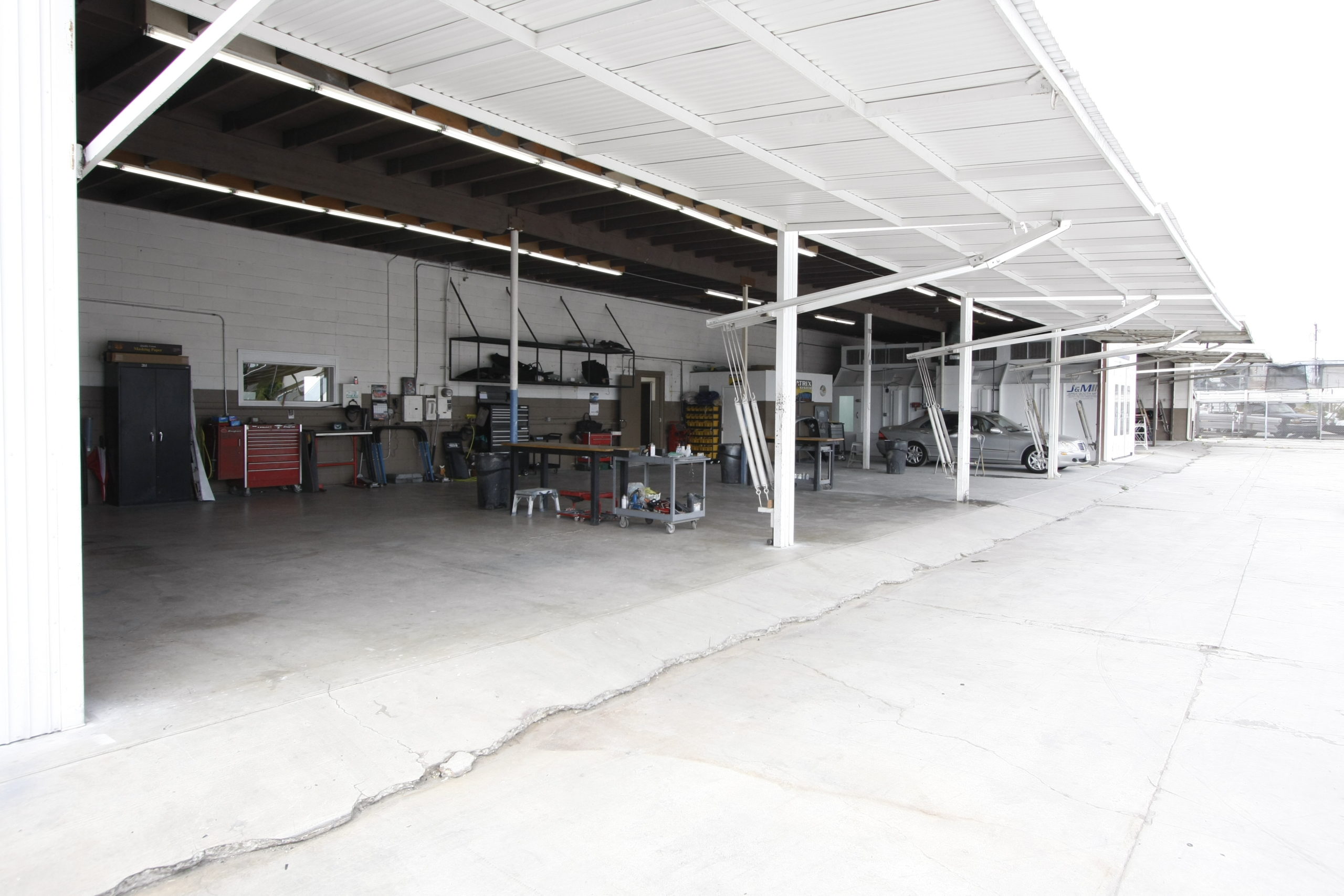
Modern finishes are applied and dried in a controlled booth, but they still need time to harden properly, and booth scheduling matters. Careful car paint repair also includes color matching, which can take extra passes on older or multi-layer finishes. After pickup, shops often advise waiting before waxing or heavy washing, so owners should follow the shop's instructions.
Shop Schedule
Even a well-run shop can only work on so many cars at once. CCC's 2025 industry report put the national average shop backlog at about 1.7 weeks in April 2025, down from nearly six weeks at its peak in 2023. The takeaway is that a shop's schedule can change the timeline, sometimes by days.
Specialty work can stretch things further. Aluminum body repair needs dedicated tools and training, and the work calls for more care than steel. A shop with that equipment on site avoids sending work out.
Why a Faster Repair Is Not Always a Better One
Speed sounds appealing, but a rushed repair can look fine and still drive wrong. Frame measurements, sensor calibration, and paint matching all take as long as they take. Shortcuts there can show up later as uneven tire wear, warning lights, or a mismatched panel.
A good shop gives an honest estimated completion date and explains what could change it. A shop that promises an exact day before teardown may be guessing. This article on what happens after a car accident shows why thorough inspection matters more than a fast finish.
How to Keep the Repair Moving
Owners have more influence over the timeline than most expect. A few habits help:
- Approve supplements and paperwork quickly when the shop calls
- Keep a phone nearby during business hours
- Ask for an estimated completion date in writing, plus what might change it
- Ask for a parts arrival date when something is on order
- Arrange transportation early
That last point matters most when the car is not drivable. Accident towing gets the car to the shop safely, and Covina Auto Body coordinates a rental car after an accident in Covina so drivers are not stranded while work continues. The shop also keeps customers updated and offers a repair status check on its website.
A Repair Worth Waiting For
The honest answer to "how long?" is that most repairs take a few days to a few weeks, and the right timeline is the one that includes every step the car needs. Waiting is easier when the shop explains the schedule, flags changes early, and does not cut corners to look fast.
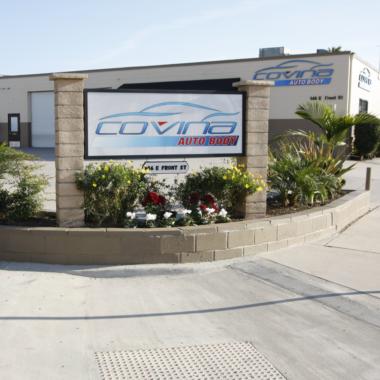
For drivers in Covina, West Covina, Pasadena, and nearby cities, Covina Auto Body pairs I-CAR Gold Class technicians with direct insurance claim handling, rental coordination, and a lifetime warranty on its repairs. The team keeps customers informed from drop-off to pickup.
Ready to get the car back on the road? Schedule an appointment with Covina Auto Body or call (626) 967-2815.
Frequently Asked Questions
How long does collision repair take on average?
Minor repairs often take one to three days, moderate damage about a week to ten days, and major structural work two to four weeks or longer.
Why is my car taking so long to fix?
Common causes include insurance approval, hidden damage, parts delays, paint curing, and shop scheduling. Ask the shop which step is pending and when it should finish.
Can my car be fixed in one week?
Often yes for minor or moderate damage when parts are available and approvals come quickly. Structural damage or backordered parts usually push repairs beyond a week.
Does insurance approval delay my repair timeline?
It can. Approval of the initial plan and of supplements for hidden damage both take time. Prompt communication between shop, insurer, and owner keeps repairs moving.
Can hidden damage extend my repair timeline?
Yes. Damage found after teardown needs insurer review plus extra parts or labor, which can add days. Reputable shops explain findings and update the completion date.
Free Structural Inspection
I-CAR Gold Class technicians · Direct insurance billing · Lifetime warranty on every repair.
Frequently Asked Questions
Damaged Car? Let's Get You Back on the Road.
Send us a few photos and details. We will get you a fast, honest estimate, then handle the rest.